.png)
GMC Terrain Financing Options for Bad Credit in Indian Trail — Millbridge
A practical guide to financing a GMC Terrain with bad credit near Millbridge in Waxhaw, NC — what to expect, what to ask, and your rights under NC law.
If you live in Millbridge and you've been thinking about a GMC Terrain but your credit score is giving you pause, you're not alone. Plenty of buyers in this corner of Waxhaw — many of them young families and commuters who picked Millbridge for the newer construction, the amenities, and the easy run up to Indian Trail and Charlotte — are navigating the same question. Can you actually get into a Terrain with subprime credit, and what should the deal look like if you do?
The short answer: yes, financing is available, but the details matter more than the approval itself. Here's how to think about it.
Why the GMC Terrain Is a Practical Choice for Subprime Buyers
The Terrain sits in a sweet spot for buyers who need a real vehicle but don't want a payment that pushes the limits of what a lender will approve on weaker credit. It's a compact SUV with available all-wheel drive — useful when winter ice events hit the Union County backroads — and the resale curve tends to be predictable, which lenders like.
That last point is more important than it sounds. When you're financing with bruised credit, the lender is underwriting the car as much as they're underwriting you. A vehicle with stable resale value, like the Terrain, gives the lender more comfort, which often translates into a workable approval where a less common model might not.
What Bad-Credit Financing Actually Looks Like in Waxhaw
For Millbridge buyers walking into a dealership with a credit score in the 500s or low 600s, the financing process generally follows one of two paths:
- Dealer-arranged retail installment financing — the dealership submits your application to a network of lenders, including subprime specialists, and you sign a retail installment contract with the dealer.
- Direct lending — you secure financing from a bank, credit union, or licensed consumer finance company before you shop.
Most subprime buyers end up on the first path because subprime lenders typically work through dealer networks rather than direct-to-consumer. A GMC store with established relationships with multiple lenders — including credit-challenged programs — usually has more shots on goal than a buyer applying cold to one bank.
Your Contract Must Be in Writing — and Itemized
Under the North Carolina Retail Installment Sales Act (Chapter 25A), every auto retail installment contract has to be in writing, signed by both you and the seller, and delivered to you at or before signing. The contract must disclose, line by line:
- Cash sale price
- Down payment amount and form
- Unpaid balance of the cash price
- Official fees
- Amount financed
- The finance charge — North Carolina calls this the "time-price differential"
- Total of payments
- Number and amount of installments and their due dates
- Description of any security interest in the vehicle
If a dealer hands you a contract that's missing any of those lines, that's a problem. The disclosure framework exists precisely so subprime buyers — who are most often targeted with confusing paperwork — can see exactly what they're paying for.
What Rate Should You Expect?
Honest answer: higher than a prime borrower, but capped. North Carolina sets maximum finance-charge caps on motor-vehicle retail installment sales under N.C. Gen. Stat. §§ 25A-10 through 25A-17, with the caps tiered by amount financed and term. A dealer cannot legally exceed those caps just because your credit is weak. The exact figures are expressed as maximum dollar finance charges per $100 per year and have been amended over the years, so the current statutory text is the authority on the precise number.
For consumer finance companies making loans of $25,000 or less, the lender has to hold a license from the North Carolina Commissioner of Banks under the North Carolina Consumer Finance Act (Chapter 53, Article 15), and they're subject to tiered rate caps under that statute. Federally chartered banks and credit unions operate under different rules and may export rates under federal preemption.
What this means for you practically: ask for the APR, ask for the total of payments, and compare them across offers. The state cap protects you from outright gouging, but within the cap there's still meaningful room for one lender to be hundreds or thousands of dollars cheaper than another over the life of the loan.
Watch for These Subprime Financing Traps
A handful of practices come up enough in subprime auto deals that they're worth flagging:
- Spot delivery / "yo-yo" financing. You drive the car home, then a week later the dealer calls saying financing "fell through" and you need to sign a new contract at a higher rate. Conditional delivery has to be clearly disclosed up front; doing this without clear upfront disclosure can violate North Carolina's Unfair and Deceptive Trade Practices Act (§ 75-1.1), which carries treble damages and attorney's fees.
- Negative-equity roll-in without disclosure. If you're trading in a vehicle you owe more on than it's worth, that gap can be rolled into the new loan — but it has to be disclosed properly. Improper roll-ins are flagged under § 75-1.1.
- Optional products presented as required. Credit insurance and GAP coverage sold with auto loans must comply with Chapter 58 and, where applicable, must be disclosed in writing as optional — not a condition of credit. Buyers in this segment are often pushed toward add-ons that inflate the loan.
- Confession of judgment clauses. These are void and unenforceable in North Carolina consumer retail installment contracts. If you see one, it shouldn't be there.
- Attorney's fees clauses. Capped at 15% of the outstanding balance under Chapter 25A, and only enforceable after you've been notified and given time to cure.
If the Worst Happens: Repossession
If you fall behind and the lender repossesses, North Carolina follows UCC Article 9 (Chapter 25, Article 9). Self-help repossession is allowed only if it can be done without breach of the peace, and the secured party has to send you reasonable authenticated notice of the planned sale before disposing of the vehicle. If they skip that notice or the sale isn't commercially reasonable, they may lose the right to a deficiency judgment against you. Know that going in — it's leverage you have if things go sideways.
How to Set Yourself Up Before You Walk In
A few practical moves that consistently help subprime buyers in the Waxhaw and Indian Trail area:
- Pull your own credit reports first. Errors are common and dispute resolution is free. A 20-point bump from cleaning up a misreported account can move you into a better tier.
- Save a real down payment. 10–20% down dramatically expands which lenders will approve you and at what rate. It also reduces the chance you end up upside-down on the loan.
- Bring proof of income and residence. Subprime underwriting leans heavily on stability indicators — pay stubs, a utility bill at your Millbridge address, and references move the file faster.
- Decide on your payment ceiling before you shop. Walk in with a number that includes the payment, insurance, fuel, and a maintenance buffer — not a number based on what a lender will approve.
- Get the out-the-door figure in writing. Cash price, fees, taxes, financed amount, APR, term, total of payments. The Chapter 25A disclosures exist for this reason — use them.
Frequently Asked Questions
Can I get approved for a GMC Terrain with a credit score under 600?
Often, yes — particularly with a down payment and verifiable income. Approval terms (rate, term length, down payment required) will reflect the credit risk, but the Terrain's resale stability makes it a common approval in subprime programs.
Is there a cooling-off period on auto purchases in North Carolina?
North Carolina does not provide a general statutory right to cancel a vehicle purchase after you sign. Read the contract before signing, because once it's executed, you're committed unless the dealer agrees otherwise or a specific legal violation gives you grounds to unwind it.
Will applying at multiple lenders hurt my credit?
Multiple auto-loan inquiries within a short shopping window are generally treated as a single inquiry by major credit scoring models, so rate shopping over a few weeks usually doesn't pile up score damage.
What if a dealer tries to change my contract after I take the car home?
That's the "yo-yo" scenario. If conditional delivery wasn't disclosed up front, it may violate § 75-1.1. Don't return the car or sign a new contract without understanding your options — and consider consulting an attorney or the North Carolina Attorney General's office.
Where to Go From Here
Financing a Terrain with imperfect credit is a solvable problem in the Waxhaw market, but the deal you sign matters as much as the keys you get. Read the time-price differential. Compare the total of payments, not just the monthly figure. Decline add-ons you don't want. Keep the paperwork.
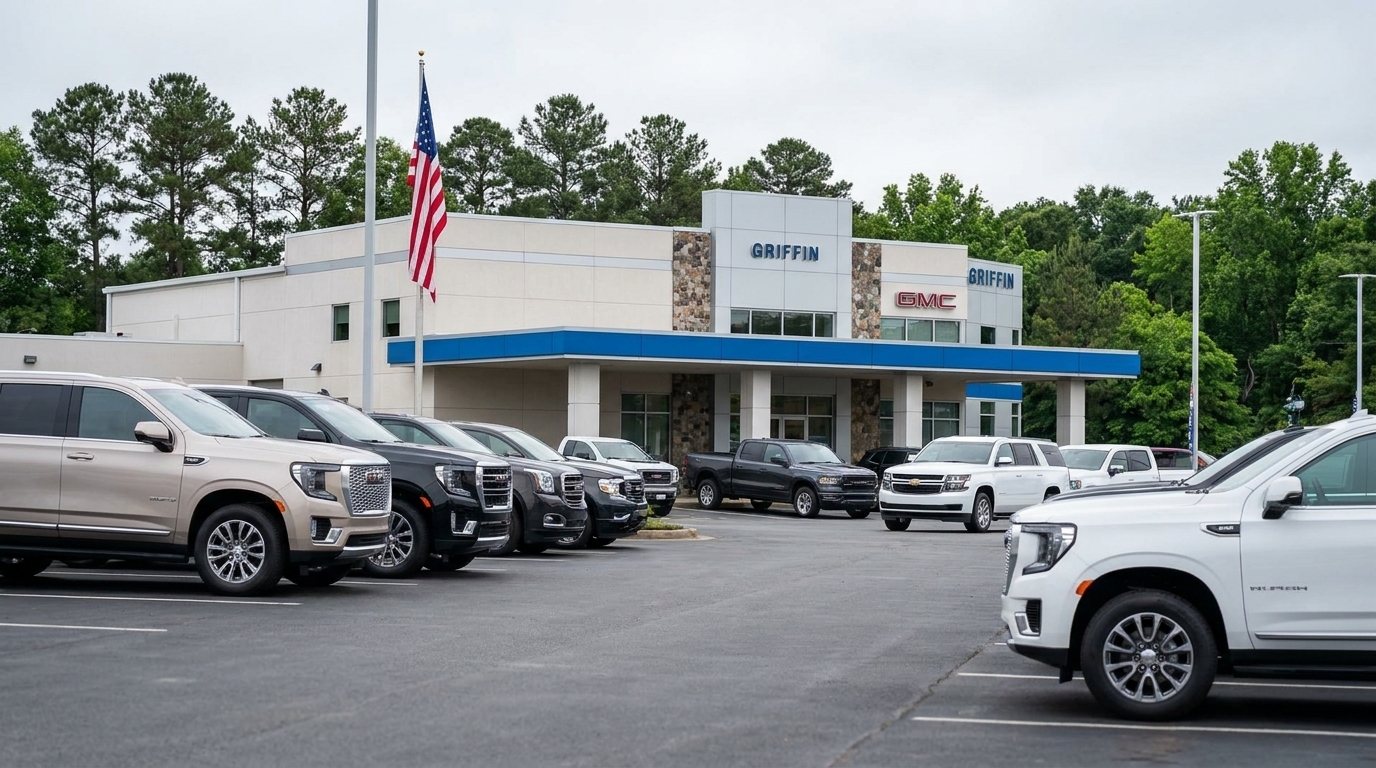
Millbridge buyers who want to work through the numbers with a GMC store that handles subprime applications can reach Griffin Buick GMC at https://www.griffinmonroe.com/ to start the conversation. The right approach is a deal you understand line by line — not just a yes from a lender.