.png)
How to Check Used Car History: Complete Vehicle Background Guide
Learn how to check used car history before buying with this complete guide to vehicle history reports, VIN checks, and background verification in Monroe, NC.
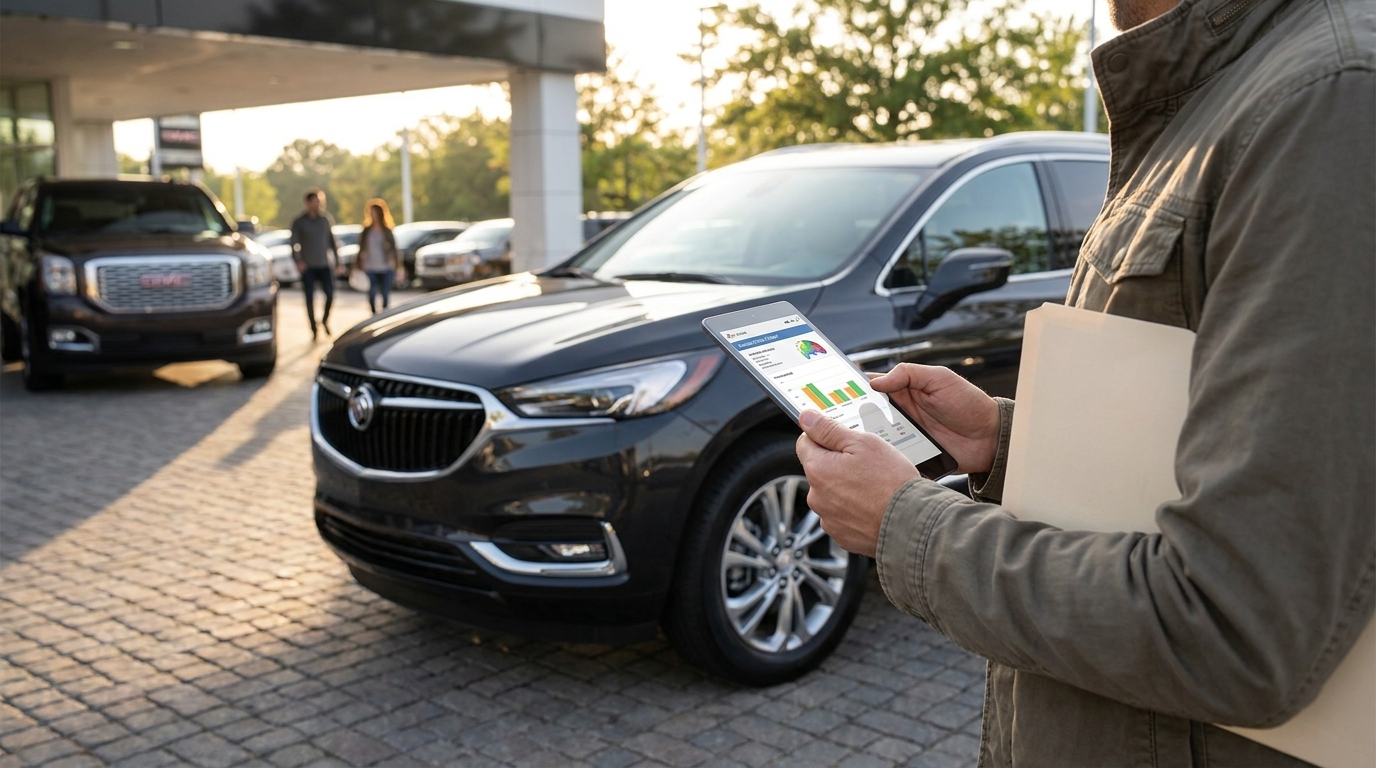
You've found a used SUV that fits your budget, looks clean in the photos, and seems to have everything you want. Before you sign anything, there's a step that separates confident buyers from regretful ones: a thorough check of the vehicle's history. Knowing how to check used car history before buying is the single most effective way to avoid hidden accident damage, odometer fraud, flood salvage, and title problems that can quietly drain thousands of dollars from your wallet.
This guide walks you through exactly what to verify, which tools to use, and what red flags should slow a deal down — written for shoppers in Monroe, NC who want to buy with confidence.
Why a Vehicle History Report Matters in Monroe, NC
Used cars in the Charlotte metro region — including Union County and Monroe — see a mix of conditions that make background checks especially important. Summer humidity along with heavy thunderstorm season from late spring through early fall can produce flood-damaged vehicles that quietly make their way onto the resale market from coastal Carolina counties. Vehicles titled in flood-affected areas are sometimes re-registered inland once cosmetic repairs are done, which is why a vehicle history report is non-negotiable before you hand over a deposit.
On top of weather considerations, North Carolina requires a title transfer through the NCDMV within 28 days of purchase, and a vehicle with title brands, liens, or registration gaps can stall that process. Catching these issues before the sale, rather than at the Monroe NCDMV office on Skyway Drive, saves real time and money.
Step 1: Start with the VIN
Every used car background check begins with the Vehicle Identification Number. The VIN is a 17-character code stamped on the dashboard near the windshield on the driver's side, on the door jamb sticker, and on the vehicle's title and registration.
Before running any report, verify the VIN matches in all three locations. A mismatch is a serious red flag suggesting the car may have been re-titled improperly or assembled from parts of multiple vehicles. Photograph the VIN plate and the door jamb sticker so you can cross-reference them against whatever paperwork the seller provides.
Step 2: Run a Vehicle History Report
A vehicle history report pulls together title records, accident history, odometer readings, service entries, and registration changes from across state DMVs, insurance databases, and repair shops. The two most widely cited services are Carfax and AutoCheck, and the National Motor Vehicle Title Information System (NMVTIS) provides a federally backed report at a lower cost.
Look specifically for:
- Title brands — salvage, rebuilt, flood, lemon law buyback, or junk designations
- Odometer rollback flags — readings that decrease over time or jump implausibly
- Accident records — number of incidents, severity, and which areas of the vehicle were damaged
- Number of previous owners — a high turnover rate on a recent-model vehicle warrants questions
- Service history gaps — long stretches without recorded maintenance can indicate neglect
- Registration locations — vehicles registered in coastal flood zones or hail-prone regions deserve extra scrutiny
Step 3: Verify Title Status with NCDMV
North Carolina maintains its own vehicle records through the NCDMV, and you can request a title search to confirm the current titleholder, any active liens, and whether the title has been branded. This is particularly important when buying from a private party — if the seller doesn't hold a clean, lien-free title, the sale cannot legally transfer to you.
For dealer purchases, reputable dealerships handle title verification as part of their reconditioning process. Griffin Buick GMC, for example, runs title and history checks on every used vehicle before it reaches the lot, which is part of why repeat buyers from Indian Trail, Wingate, and the broader Monroe area continue to shop there.
Step 4: Cross-Check the Odometer
Odometer fraud remains one of the most common forms of used car deception. Compare the mileage shown on the dashboard against:
- The mileage recorded on each previous title transfer
- Service records from oil change stickers, inspection reports, and dealer maintenance entries
- Wear indicators — pedal rubber, steering wheel polish, and seat bolster condition should align with the stated mileage
A 60,000-mile car with worn-through brake pedal rubber and a glossy steering wheel has likely seen far more use than the odometer claims.
Step 5: Inspect for Flood and Frame Damage
Vehicle history reports catch most flood titles, but not all. Some flood vehicles are quietly cleaned up and resold before insurance ever records a total loss. Check for:
- Musty or heavily perfumed interior smells
- Water lines or silt under carpet, behind trim panels, and in the spare tire well
- Corrosion on screw heads, seat rails, and under-dash wiring connectors
- Fogged headlights or moisture inside instrument cluster lenses
For frame damage, look at panel gaps, paint texture differences between adjacent body panels, and welds inside the trunk and hood channels. A pre-purchase inspection by an independent mechanic — typically $100 to $200 — is the most cost-effective insurance you can buy.
Step 6: Confirm Recall and Warranty Status
Enter the VIN on the manufacturer's website and on nhtsa.gov/recalls to see any open safety recalls. Unrepaired recalls are common on used vehicles, and franchise dealers can perform recall work at no charge regardless of where the vehicle was purchased. For Buick and GMC models, factory powertrain warranty coverage may still apply depending on the original in-service date and mileage — worth confirming before negotiating price.
FAQ: Used Car Background Checks
Is a Carfax report enough on its own?
It's a strong starting point, but no single report catches everything. Pair a Carfax or AutoCheck report with an NMVTIS check, an NCDMV title verification, and an independent mechanical inspection for full coverage.
How much should a vehicle history report cost?
Single Carfax reports run around $45, AutoCheck offers multi-report packages, and NMVTIS-approved providers offer reports starting near $4. Many dealerships, including Griffin Buick GMC, provide history reports on their used inventory at no charge to the buyer.
What if the seller refuses to share the VIN?
Walk away. A legitimate seller — private or dealer — has no reason to withhold the VIN. Refusal almost always indicates a title, lien, or history problem they're trying to keep hidden.
Does North Carolina require emissions testing on used cars?
Union County is one of the North Carolina counties that requires annual safety inspections, and emissions inspection requirements have shifted in recent years — confirm current requirements with the NCDMV or your inspection station before registering a newly purchased vehicle.
Buying With Confidence in Monroe
Car history verification isn't about distrusting sellers — it's about protecting the significant investment a vehicle represents. The buyers who do the homework outlined above almost never end up with the surprises that fill consumer complaint forums.
For shoppers in Monroe, NC who'd rather have this groundwork done for them, Griffin Buick GMC maintains a used inventory where history reports, title verification, and reconditioning are completed before vehicles are listed. Their 4.6★ rating across more than 1,300 Google reviews reflects a consistent emphasis on transparency, and one recent reviewer described the team as "exceptionally pleasant and professional" during a preowned GMC Acadia purchase. You can browse current used inventory or request a vehicle history report on a specific listing at https://www.griffinmonroe.com/.