
How to Get the Most Money for Your Trade-In at a Dealership
Practical steps Lancaster, SC drivers can take in 2026 to maximize trade-in value at a dealership — from preparation to negotiation tactics that actually work.

You've decided it's time for a new vehicle, and your current car, truck, or SUV is coming with you to the dealership — as a trade-in. The question every Lancaster driver asks next: how do you make sure you're getting a fair number, not a lowball offer? Trade-in value isn't magic. It's the product of preparation, timing, documentation, and how you handle the conversation once you're at the desk. Here's how to approach it.
Understand What Actually Drives Trade-In Value
Before you can maximize your trade-in, you need to understand what a dealership is really paying for. Appraisers look at four things: mechanical condition, cosmetic condition, mileage, and current wholesale demand for your specific year, make, model, and trim. A clean, well-maintained SUV with average miles will always outperform a comparable vehicle with skipped service intervals and curb-scraped wheels — even if both look fine at a glance.
Regional demand matters too. In the Lancaster and greater Indian Land corridor, pickup trucks and midsize SUVs tend to hold value well because of the mix of commuters heading toward Charlotte and buyers who need capable vehicles for rural properties and towing. A well-kept GMC Sierra or Buick Enclave in this market often appraises more favorably than the same vehicle would in a dense urban market with different demand patterns.
Prepare Your Vehicle Before You Ever Pull Onto the Lot
Car trade-in preparation is where most owners leave money on the table. An appraiser has minutes to form an opinion. Make those minutes work for you.
Detail It — But Don't Overspend
A professional detail can add meaningfully to your appraisal, so the investment often pays for itself. Vacuum the carpets, wipe down the dash, clean the windows, and shampoo any stains you can. Wash and wax the exterior. Remove personal items, car seats, and anything in the trunk. You want the appraiser to see the vehicle, not your life.
Fix the Small Stuff
Burned-out bulbs, missing floor mats, a cracked key fob, low tire pressure — these are cheap fixes that signal a cared-for vehicle. Skip expensive repairs unless the issue is a dealbreaker; you rarely recoup the full cost. But a replacement headlight bulb that keeps a "needs work" note off the appraisal sheet is worth every penny.
Gather Your Paperwork
Bring the title (or your lender's information if you still owe), both sets of keys, the owner's manual, and — this is the big one — service records. A stack of oil-change receipts and maintenance history is one of the strongest tools you have to justify a higher number. It converts "looks well maintained" into "is documented as well maintained."
Time Your Trade-In Strategically
The Lancaster and Rock Hill area has distinct seasonal patterns. Convertibles and sporty coupes appraise better in spring, before the Carolina summer humidity really settles in. Four-wheel-drive trucks and SUVs get a small bump in late fall when buyers start thinking about occasional winter weather and hunting season. If your trade is a segment-appropriate vehicle and you have flexibility on timing, aligning with peak demand can add real dollars.
End of month and end of quarter also matter. Dealerships work against sales targets, and appraisal managers often have more flexibility when they're motivated to close deals.
Know Your Numbers Before You Walk In
You don't need to be an expert appraiser, but you should know the general range your vehicle is worth. Check multiple sources — the major online valuation tools, recent private-party listings for similar vehicles in the Charlotte metro area, and any offer you've received from an online buyer. Print or screenshot these numbers.
The goal isn't to argue with the appraiser using printouts. The goal is to know when an offer is in the reasonable range and when it isn't. A trade-in offer within a few hundred dollars of the wholesale value in your research is generally fair. An offer thousands below? That's your cue to ask questions.
How to Negotiate Trade-In Price Without Losing Ground
Here's where many buyers make a critical mistake: they let the dealership blend the trade-in number into the new-vehicle payment. Keep them separate.
- Negotiate the new vehicle price first. Agree on the out-the-door price of the vehicle you're buying before you seriously discuss trade value. This prevents the classic "we gave you more on your trade" move that quietly adds the same amount back onto the new car.
- Ask for the trade-in number in writing. Once the appraisal comes back, get it documented separately from the sale price.
- Ask what they saw. If the number is lower than expected, ask the appraiser to walk you through the deductions. Sometimes there's a fix — a reconditioning estimate you can dispute, a mileage tier you're just over, or a market comp you can counter.
- Be willing to walk. A reputable dealership will respect a customer who knows their vehicle's worth. If the number doesn't work, you can always come back.
Understand the South Carolina Sales Tax Advantage
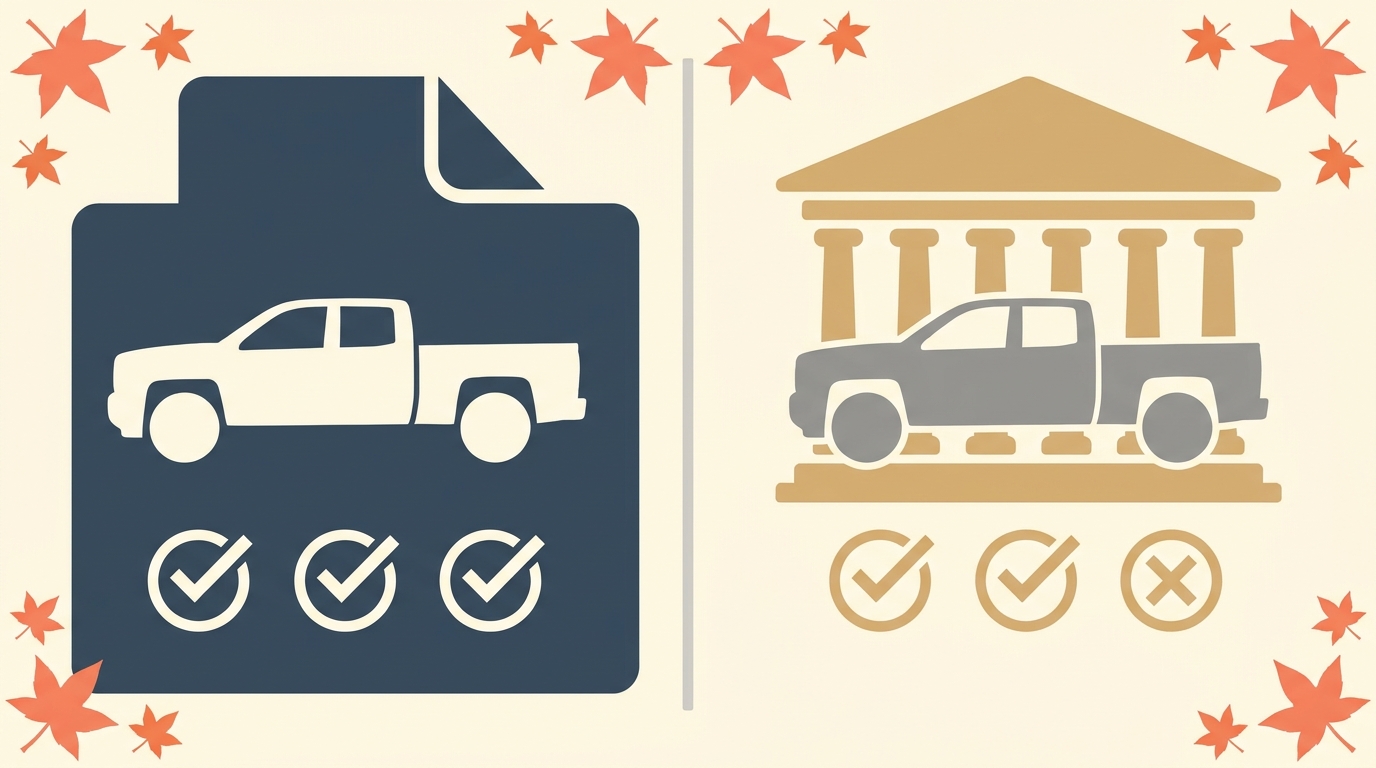
This is one of the most overlooked pieces of the trade-in equation for Lancaster buyers. In South Carolina, trading in through a dealership can affect the taxable amount of your new vehicle purchase, and the rules around this can meaningfully change the math compared with a private sale. In practice, trading in through a dealership often produces a meaningfully better after-tax outcome than selling privately and buying separately — even if the private-party price looks higher on paper. Run the math both ways before assuming private sale wins.
Why Where You Trade Matters
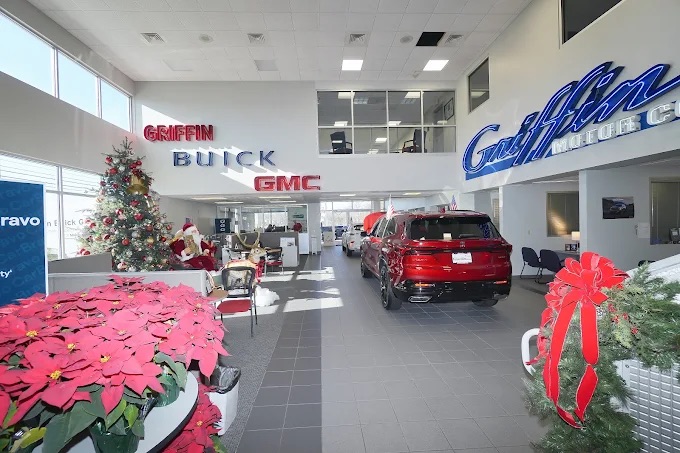
Not every dealership approaches trade-ins the same way. Some see the trade as a profit center to squeeze. Others see it as part of building a long-term customer relationship. Griffin Buick GMC holds a 4.6-star rating from more than 1,300 Google reviews as of May 2026, with customers consistently citing fair trade-in values and repeat business as reasons they return. One customer wrote: "The dealership offered an advantageous trade-in value for my existing vehicle, and the entire team was exceptionally pleasant and professional." That kind of consistency matters when you're deciding where to bring your vehicle for an appraisal. As a family-owned dealership that has served the Monroe and surrounding community since 1946, Griffin Buick GMC treats the trade-in conversation as the start of a relationship, not a one-time transaction.
FAQs About Trade-Ins at a Dealership
Should I pay off my loan before trading in?
No. If you still owe on the vehicle, the dealership will pay off the lender directly as part of the transaction. If your trade is worth more than the payoff, the difference is credited toward your new vehicle. If you owe more than it's worth (negative equity), that gap can sometimes be rolled into the new loan — though carrying negative equity forward is worth thinking through carefully.
Does a dealer-appraised trade have to happen the same day I buy?
Most written trade-in offers are good for a short window — usually a few days to a week, depending on mileage. Ask when you get the offer so you know your timeline.
Will minor cosmetic damage really lower my trade?
Yes, but often less than an equivalent repair would cost you. Curb rash on wheels, small dents, and interior wear are priced into the appraisal at wholesale reconditioning cost — not retail. Don't pay for a repair that adds less to your trade than it costs you out of pocket.
Can I trade in a vehicle that needs repair?
Absolutely. Dealerships trade in vehicles in every condition. Be upfront about known issues — trying to hide them typically produces a worse outcome than disclosing them.
Is it worth getting multiple trade-in offers before going to the dealership?
Yes. Collecting offers from online car-buying platforms before your dealership visit gives you a documented baseline, not a negotiating weapon. Use those figures to confirm whether the dealer's appraisal is in the right range. If the dealer's offer is competitive — and accounts for the South Carolina sales tax advantage — it will often be the stronger net outcome even if an online quote looks higher at first glance.
Does trading in an electric vehicle work the same way as a gas vehicle?
The process is identical, but EV trade-in values can shift more quickly as new model ranges expand and battery technology advances. Wholesale demand in the Charlotte metro area for used EVs is growing, so a well-maintained electric vehicle with good range can appraise favorably. Contact Griffin Buick GMC for a current appraisal — the team specializes in EV sales and service and can speak to real-time demand for your specific model.
The Bottom Line
Maximizing your trade-in comes down to preparation, documentation, timing, and negotiating each part of the deal separately. Do those four things well and you'll close the gap between what dealerships "can" offer and what they actually offer you. Lancaster drivers who want a straightforward appraisal on their current vehicle — with the numbers explained clearly — can reach the team at Griffin Buick GMC through griffinmonroe.com or by calling (704) 288-0210 to schedule a trade evaluation.