.png)

Wingate NC Car Buying: Trade-In Tax Benefits Explained
How North Carolina's 3% highway-use tax works on trade-ins for Wingate car buyers, what qualifies, and how to maximize your tax savings at the dealership.
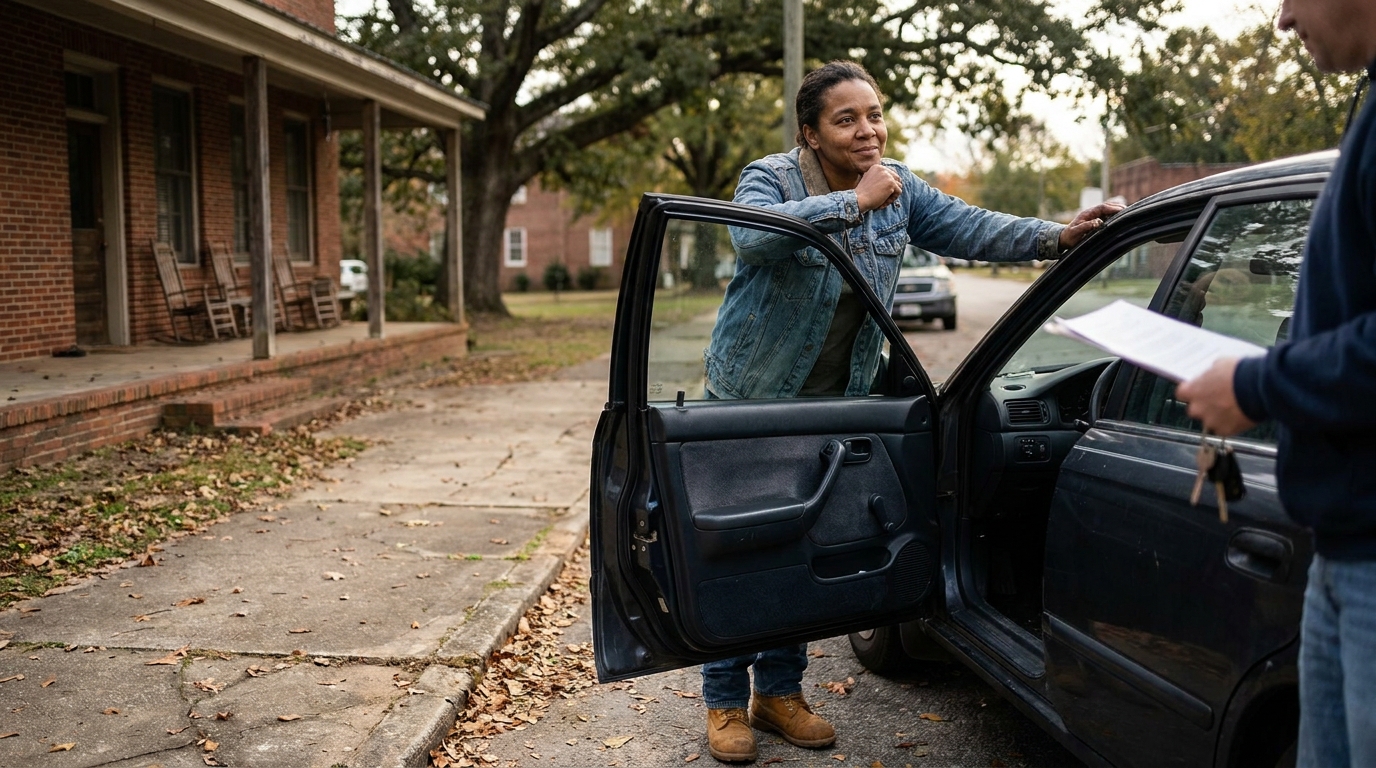
If you're shopping for a vehicle in Wingate and planning to trade in your current ride, one of the most useful things you can understand before signing anything is how North Carolina taxes the transaction. The rules here aren't the same as in neighboring states, and the difference can mean real money kept in your pocket — or left on the table — depending on how the deal is structured.
Here's what Wingate buyers need to know about North Carolina's trade-in tax treatment, why it matters, and how to make sure you actually capture the benefit when you sign your paperwork at the dealership.
North Carolina Doesn't Charge Sales Tax on Vehicles — It Charges Highway-Use Tax
The first thing to clear up is terminology. When you buy a car in North Carolina, you don't pay the general state sales and use tax that applies to most retail purchases. Instead, the state collects a highway-use tax at a rate of 3% whenever a motor vehicle title is transferred. This applies to purchases from a dealer, and it's collected as part of the title transfer process through the N.C. Division of Motor Vehicles.
That 3% rate is meaningfully lower than the combined state and local sales tax you'd pay on, say, a piece of furniture in Union County. But because vehicles are expensive, even 3% adds up quickly — on a $40,000 truck, that's $1,200 in tax before any credits are applied.
This is where your trade-in becomes powerful.
How the North Carolina Trade-In Tax Credit Works
Under N.C. Gen. Stat. § 105-187.3, which sits within Article 5A of Chapter 105 of the North Carolina General Statutes, the trade-in value of a qualifying vehicle accepted by the dealer is deducted from the retail value of the vehicle you're purchasing before the 3% highway-use tax is calculated. In plain English: you only pay tax on the difference between the new vehicle's price and what the dealer gives you for your trade.
Here's what that looks like in practice. Say you're buying a vehicle priced at $45,000 from a Wingate dealership, and your current vehicle is appraised at a $15,000 trade-in value:
- Without trade-in: 3% of $45,000 = $1,350 in highway-use tax
- With trade-in: 3% of $30,000 (the taxable difference) = $900 in highway-use tax
- Savings: $450
The bigger the trade, the bigger the tax savings. This is one reason the math of trading in at the dealership often beats selling privately once you factor in tax, time, and effort — a calculation worth running carefully before you list your car on a marketplace site.
What Has to Happen for You to Qualify
The tax credit isn't automatic. Per NCDMV guidance, three conditions have to line up:
- The trade must be part of the same retail transaction. You can't sell your old vehicle to the dealer on Monday and buy a new one from them on Friday and expect the credit. It needs to be a single deal.
- The dealer has to accept the vehicle as a trade-in. Cash you receive from a third party doesn't count, even if you immediately apply it to a dealer purchase.
- The title documents must be properly completed and submitted to NCDMV at the time of the title transfer. This is paperwork-driven — if the trade isn't documented correctly on the buyer's order and title application, the credit may not be applied.
This last point is where a well-organized dealership earns its keep. The team handling your paperwork needs to know what they're doing, because corrections after the fact can be slow and frustrating.
Exceptions and Special Situations
Most Wingate buyers won't run into these, but it's worth knowing that N.C. Gen. Stat. § 105-187.5 carves out specific exemptions from the highway-use tax altogether. These include:
- Title transfers pursuant to a marital separation agreement or divorce decree
- Removal of a co-owner from a vehicle title
- Vehicles transferred by the N.C. Department of Health and Human Services to a person with a disability
- Titles transferred to a local board of education for use in driver education under specified statutory circumstances
If your situation involves any of these — a recent divorce, for example, or removing a former spouse from a title — talk to the dealership's finance office before assuming the standard 3% applies. The statute provides for additional exemptions as well, and complex transactions are worth a quick verification through NCDOR or the General Statutes directly.
Why This Matters Specifically in Wingate and Union County
Wingate sits in Union County, and many local buyers cross into Mecklenburg County for work, school, or shopping. It's tempting to assume that because Charlotte is right next door, tax treatment is similar across the line — and for vehicle highway-use tax, it is, because the 3% is set at the state level, not the county level. That's actually good news for Wingate residents: you're not at a disadvantage compared to buyers in larger Charlotte-area markets.
However, North Carolina's treatment is also a reason to be cautious if you're moving here from out of state or considering buying a vehicle while traveling. South Carolina, for example, handles vehicle taxes through a different structure entirely. The 3% North Carolina highway-use tax with full trade-in credit is genuinely favorable compared to many alternatives — but it only applies when the title is transferred in North Carolina.
How to Maximize Your Trade-In Tax Benefit
A few practical steps that help Wingate buyers get the most from the trade-in credit:
- Get a realistic appraisal first. The higher your documented trade-in value, the larger your tax deduction. Have the dealer inspect the vehicle in person rather than relying solely on an online estimator.
- Bring complete paperwork. Title, registration, lien release (if applicable), and a valid ID. Missing documents are the most common reason title transfers get delayed.
- Pay off existing liens cleanly. If you still owe on your trade, the dealer will handle the payoff — but the equity (trade value minus payoff) is what affects your out-the-door numbers, while the full trade value is what counts for the tax credit.
- Review the buyer's order line by line. The taxable amount should reflect the price after trade-in deduction. If the math looks off, ask.
Experienced dealerships handle this paperwork dozens of times a week. Experienced dealerships handle this paperwork as a routine part of every sale, which matters when you're trying to capture every dollar of available tax benefit. One customer wrote: "The dealership offered an advantageous trade-in value for my existing vehicle, and the entire team was exceptionally pleasant and professional."
Frequently Asked Questions
Does the 3% highway-use tax apply to used vehicles too?
Yes. The 3% rate applies to titled motor vehicles whenever a title is transferred, whether the vehicle is new or used. The trade-in credit works the same way regardless.
What if my trade-in is worth more than the vehicle I'm buying?
That's an unusual scenario, but if the trade-in value exceeds the purchase price, the taxable amount would effectively be zero. You generally cannot carry excess trade value forward to a future purchase as a tax credit.
Can I trade in two vehicles on one purchase?
North Carolina's framework allows trade-ins to reduce the taxable base of the purchased vehicle, but the specifics of multi-vehicle trades are worth confirming with the dealer's finance team and, if needed, NCDMV directly.
What happens if the title paperwork is filed incorrectly?
Inaccurate reporting of the purchase price or improper trade-in credit claims can affect title issuance and result in additional tax liability, as NCDMV compares reported transaction values against expected market values during title processing. This is one reason careful documentation at the point of sale matters more than buyers often realize.
Does the trade-in tax credit apply if I sell my car privately and then buy from a dealer?
No. The trade-in deduction only applies when the trade-in vehicle is accepted by the dealer as part of the same purchase transaction. If you sell privately and bring cash proceeds to a dealer purchase, the highway-use tax is calculated on the full dealer purchase price with no deduction. The two transactions must be a single deal to qualify.
Are there any caps on how much the trade-in can reduce my highway-use tax?
North Carolina's highway-use tax framework does reference caps for certain vehicle categories — such as commercial vehicles or specific ownership-transfer situations — but these apply to the tax itself, not specifically to the trade-in deduction. For a standard dealer purchase with a trade-in, the deduction applies to the full allowable trade value. Verify current cap figures with NCDMV or the official statute text, as these details can change.
Getting It Right the First Time
The trade-in tax benefit is one of the more buyer-friendly features of North Carolina's vehicle tax system, but it only works when the transaction is structured and documented properly. For most Wingate buyers, the easiest path is working with a dealership that handles title and tax paperwork as a routine part of every sale.
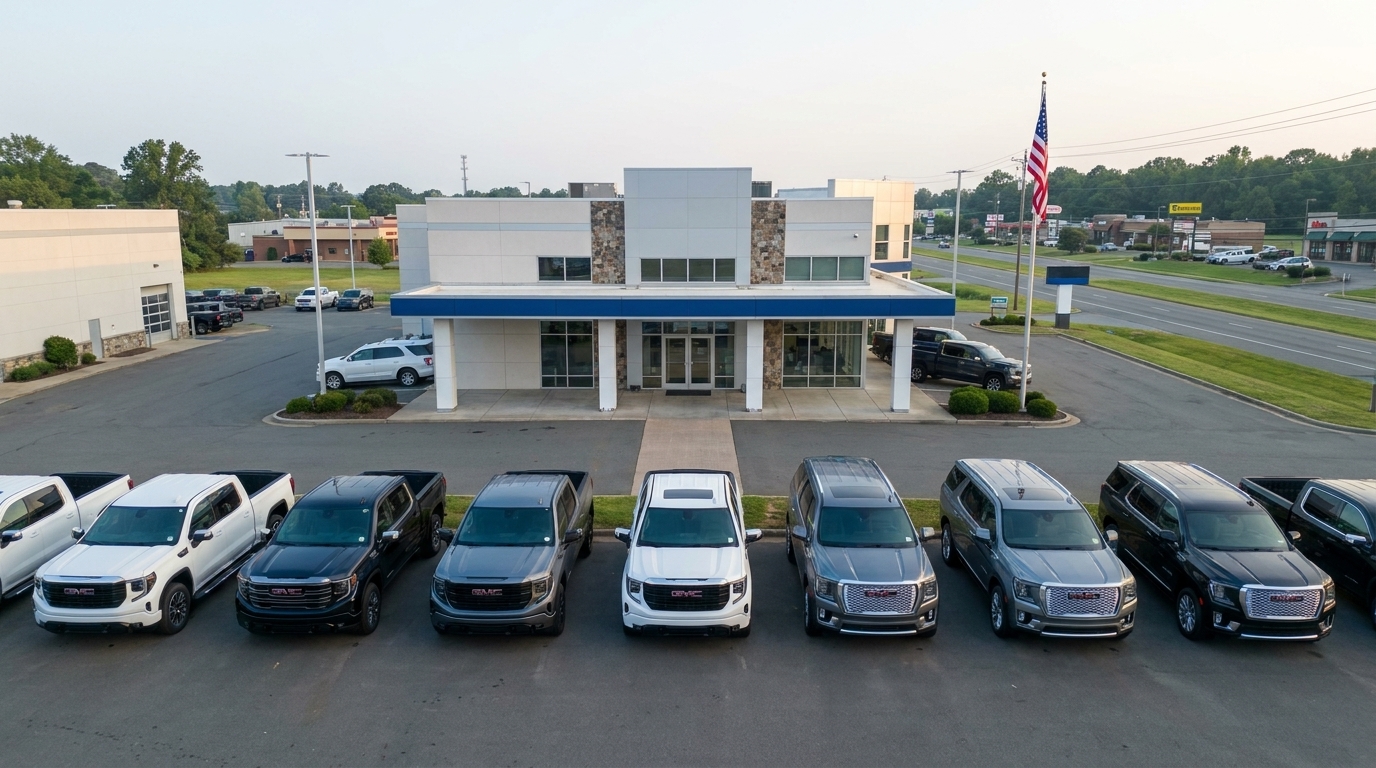
If you'd like help walking through what your trade is worth and what your numbers would look like after the highway-use tax credit, the team at Griffin Buick GMC can run the figures with you — reach them at https://www.griffinmonroe.com/ or stop by the dealership when you're ready to take the next step. This article is general information and not legal or tax advice; for complex situations, verify current statutory text with the North Carolina General Assembly or NCDOR.
"